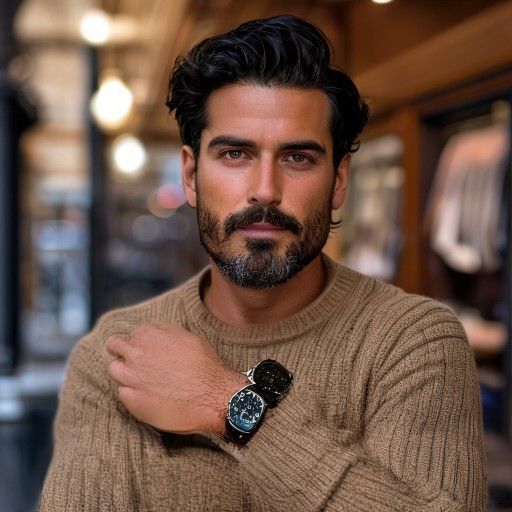
Carl F. Bucherer comparison reveals a brand succeeding through manufacturing autonomy and mechanical refinement in an era dominated by conglomerates and marketing behemoths. Founded in 1888 in Lucerne, Carl F. Bucherer occupies a distinct market position—neither a celebrated independent like Akrivia nor a heritage giant like Audemars Piguet, but a quietly influential manufacture with complete in-house control.
The Independence Factor
Family Ownership in a Consolidated Market
Unlike most Swiss watchmakers operating under parent corporations, Carl F. Bucherer remains independently owned by the Bucherer family across five generations. This autonomy permits long-term R&D commitments that publicly traded rivals cannot justify quarterly. The manufacture invested substantially in developing the Caliber CFB A2000, an in-house automatic movement completed in 2015, demonstrating commitment to mechanical advancement without shareholder pressure. A. Lange & Söhne pursues similar vertical integration, yet operates under Richemont's umbrella—a distinction that affects strategic flexibility.
The family structure also explains Carl F. Bucherer's conservative aesthetic philosophy. Rather than chasing trend cycles, the brand maintains consistent design language across three decades, emphasizing legibility, proportional case geometries, and refined dial finishing.
Direct Retail Control
Carl F. Bucherer operates flagship boutiques across Europe, Asia, and the Americas—a capital-intensive strategy few independent makers pursue. This direct-to-consumer approach contrasts sharply with Anonimo and Archimede, which distribute primarily through specialist retailers. Direct retail generates higher margins and permits immediate market feedback without distributor filtering, enabling the brand to refine product lines with quarterly precision rather than seasonal cycles.
Mechanical Innovation vs. Positioning
In-House Caliber Development
Carl F. Bucherer manufactures all movements in-house—a claim fewer than 20 Swiss brands legitimately make. The CFB A1000 and CFB A2000 families represent genuine manufacture-level work: in-house escapement design, balance wheel finishing, and chronometric regulation. This contrasts with brands relying on ETA movements, even when cased and finished in-house. Armin Strom similarly develops proprietary calibers, yet positions itself in the high-end collector segment, commanding corresponding premiums.
The CFB A2000, equipped with column-wheel chronograph mechanism and silicon hairspring, demonstrates serious horological ambition. Yet Carl F. Bucherer rarely emphasizes these specifications in marketing—a deliberate choice suggesting product focus over specification theater. Competitors like Arnold & Son market technical achievements more aggressively, leveraging mechanical complexity to justify premium positioning.
Finishing and Quality Control Standards
The manufacture maintains rigorous quality protocols: all movements undergo individual testing protocols exceeding COSC standards. Dial finishing includes hand-applied indices and careful applied logo placement. These practices mirror those found in houses like A. Lange & Söhne, yet Carl F. Bucherer achieves them at more moderate price points—a key competitive advantage in the premium-tier segment.
Design Philosophy: Understated Elegance
Case Proportion and Wearability
Carl F. Bucherer distinguishes itself through refined proportionality rather than distinctive design signatures. Cases typically measure 38–42mm with elegant tapering lugs and conservative bezel designs. This approach contrasts with Aonic's contemporary minimalism or Alexandre Meerson's sporty geometry. The philosophy prioritizes timeless wearability over immediate visual impact—a conservative stance in markets rewarding novelty.
Dial execution emphasizes readability: applied indices, consistent typography, and restrained color palettes (slate blue, anthracite, silver). No gratuitous decorative elements distract from functional design. This restraint appeals to professionals and classical collectors but risks appearing bland in social media contexts favoring bolder aesthetics.
Materials and Technical Specifications
Carl F. Bucherer employs stainless steel and rose gold consistently, avoiding exotic materials or experimental cases. The manufacture occasionally explores ceramic and titanium, but reserves such work for special editions rather than core collections. This conservative material strategy prioritizes proven durability and resale stability over innovation signaling—practical wisdom given secondary market volatility.
Market Positioning Against Tier Rivals
Premium-Tier Competition
Carl F. Bucherer competes against established brands in the premium segment: Longines (if included in catalog) offers greater brand recognition at similar price points; Tudor commands stronger collector following through heritage narrative. Meanwhile, Omega (if included) dominates the accessible-luxury bracket through marketing investment Carl F. Bucherer cannot match.
The brand's competitive advantage derives from manufacturing autonomy, consistent quality, and elegant design—attributes appreciated by informed collectors rather than aspirational consumers. Marketing limited-edition releases and manufacture stories emphasizes these strengths without claiming prestige the brand doesn't aggressively pursue.
Independent Maker Comparison
When measured against celebrated independents like Akrivia or Armin Strom, Carl F. Bucherer occupies the more commercial end of independence: larger production volumes, retail infrastructure, and accessible pricing. This positioning sacrifices artisanal mystique but enables sustainable operations without collector-dependent demand cycles. The manufacture's stability permits consistent product development—a luxury true independents often cannot afford.
Forward Positioning in Modern Horology
Carl F. Bucherer's trajectory suggests increasing emphasis on mechanical narrative over specification accumulation. As the market matures beyond chronograph complications and toward movement finishing, case proportion, and manufacturing philosophy, Carl F. Bucherer's existing strengths—complete vertical integration, restrained design, genuine in-house movement production—become increasingly relevant. Watch collectors are gradually recognizing that sustainable independent manufacturing matters more than quarterly innovation announcements, positioning this Lucerne manufacture advantageously for the next horological cycle.
The brand's resistance to trend-chasing, once perceived as commercial limitation, increasingly reads as strategic clarity in an oversaturated market.